Winter De - Icers and Their Impact on Garage Floors and Rubber Paving
Winter in Canada means snow, ice, and de-icers. While these products keep driveways and walkways safe, they can also affect garage floors, coated concrete, and rubber paving surfaces if not managed properly.
If you’ve ever noticed white residue, dull spots, or cloudy patches after parking your car in winter, de-icers are usually the cause.
The good news?
With simple care habits, your floors can stay clean and attractive all season long.
Key Takeaways
-
De-icers can leave white film or residue when meltwater dries
-
Sand and grit may scratch glossy coated concrete finishes
-
Rubber paving handles freeze - thaw cycles well, but may collect surface residue
-
Quick rinsing and neutral cleaners help prevent long-term issues
Common Types of De - Icers and Their Effects
Rock Salt (Sodium Chloride)
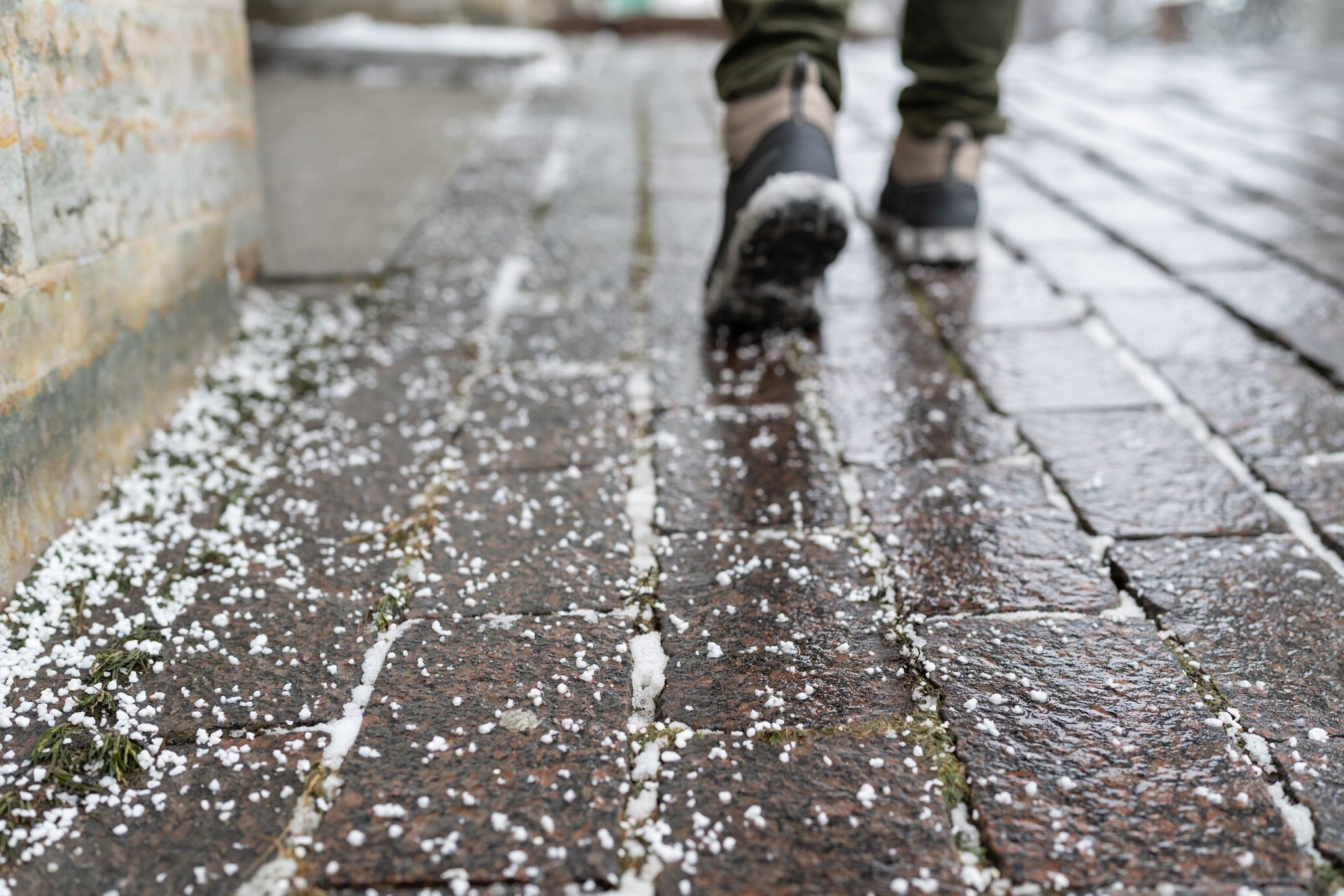
The most common and affordable option. Effective in mild cold, but often leaves visible white crystals and residue once dry.
Calcium Chloride
Works in very low temperatures. Can attract moisture and leave a slick or oily film on coated surfaces.
Magnesium Chloride
Similar to calcium chloride. May feel tacky underfoot and leave light residue if not rinsed.
CMA (Calcium Magnesium Acetate)
Often marketed as surface friendly. Leaves less residue but usually costs more.
Sand or Grit
Improves traction but does not melt ice. Can scratch epoxy or polyaspartic coatings if not swept up promptly.
Effects on Coated Concrete Floors
(Epoxy, Polyaspartic, Polyurethane)
-
White haze or film from dried salt residue
-
Water rings and dull spots where puddles sit overnight
-
Accelerated wear in weak or poorly bonded areas
-
Fine scratches caused by sand tracked in by tires or boots
Regular rinsing and gentle cleaning usually restore the original finish.
Effects on Rubber Paving Surfaces
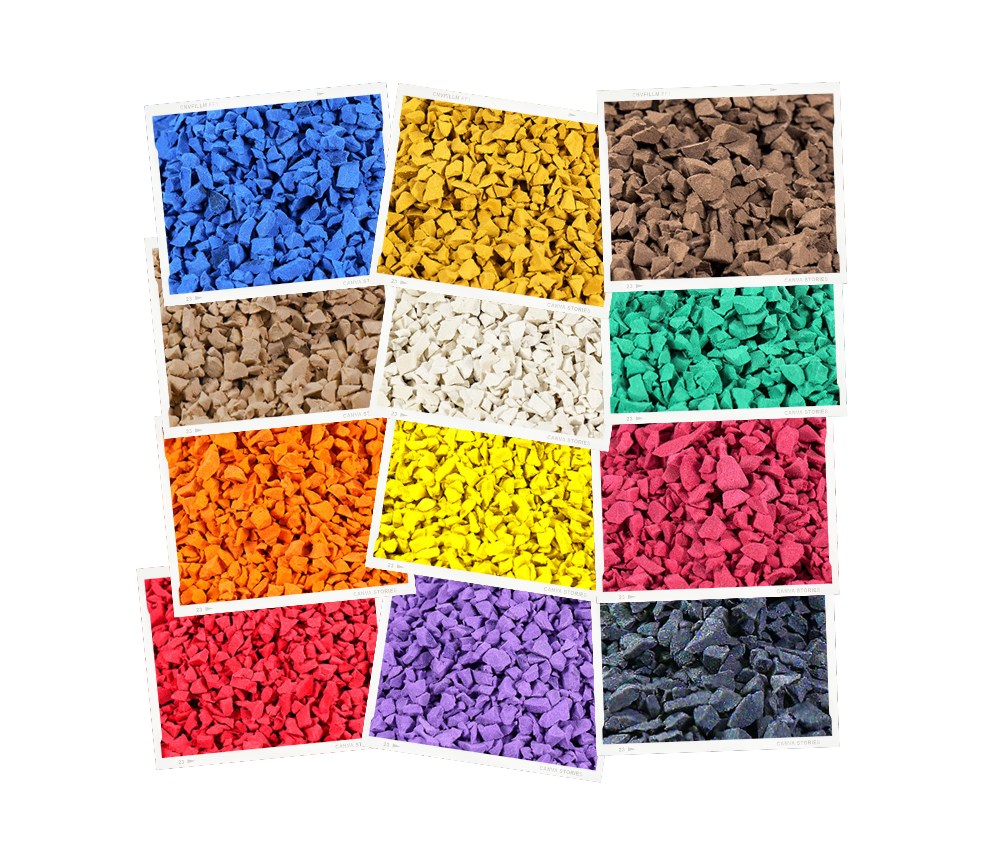
Rubber paving is naturally flexible and performs exceptionally well in cold climates.
-
No cracking from freeze - thaw cycles
-
Surface residue may appear until rinsed away
-
Minor staining possible if de icers are left for extended periods
-
Grit buildup in textured pores if sand isn’t removed
At M&M Rubber Paving, we install rubber surfaces designed specifically for Canadian winters, making maintenance simple and stress free.
Simple Winter Maintenance Tips That Work
-
Use absorbent mats or parking trays to catch slush and meltwater
-
Rinse floors on slushy days to prevent residue buildup
-
Clean weekly with a neutral pH cleaner
-
Apply de - icer sparingly - more isn’t better
-
Choose plastic shovels instead of metal edges
-
Sweep sand and grit early before it’s ground into the surface
Pro Tip:
If you see tide lines or rings forming, a quick rinse the same day can prevent almost all visible marks.
Frequently Asked Questions
Will de - icing salt damage epoxy or polyaspartic floors?
No, as long as you rinse and clean regularly with neutral products.
Which de - icer is best for finished surfaces?
CMA-based products are usually the least messy and most surface-friendly.
Why does my garage floor look cloudy in winter?
That’s dried salt residue. A neutral wash and fresh-water rinse will restore clarity.
Can sand scratch coated concrete?
Yes. Treat it like fine grit and sweep it up early.
Does rubber paving need sealing for winter?
Most rubber paving systems do not require additional sealing. Routine rinsing is usually enough.
What basic tools should I keep handy?
A neutral cleaner, microfiber mop, soft brush, plastic shovel, and absorbent mats.
Final Thoughts
Winter doesn’t have to be hard on your floors. By choosing the right de icers, rinsing when needed, and sticking to simple cleaning habits, both coated concrete and rubber paving surfaces will stay in great condition all season.
For durable, slip resistant, and winter ready flooring solutions, trust M&M Rubber Paving.